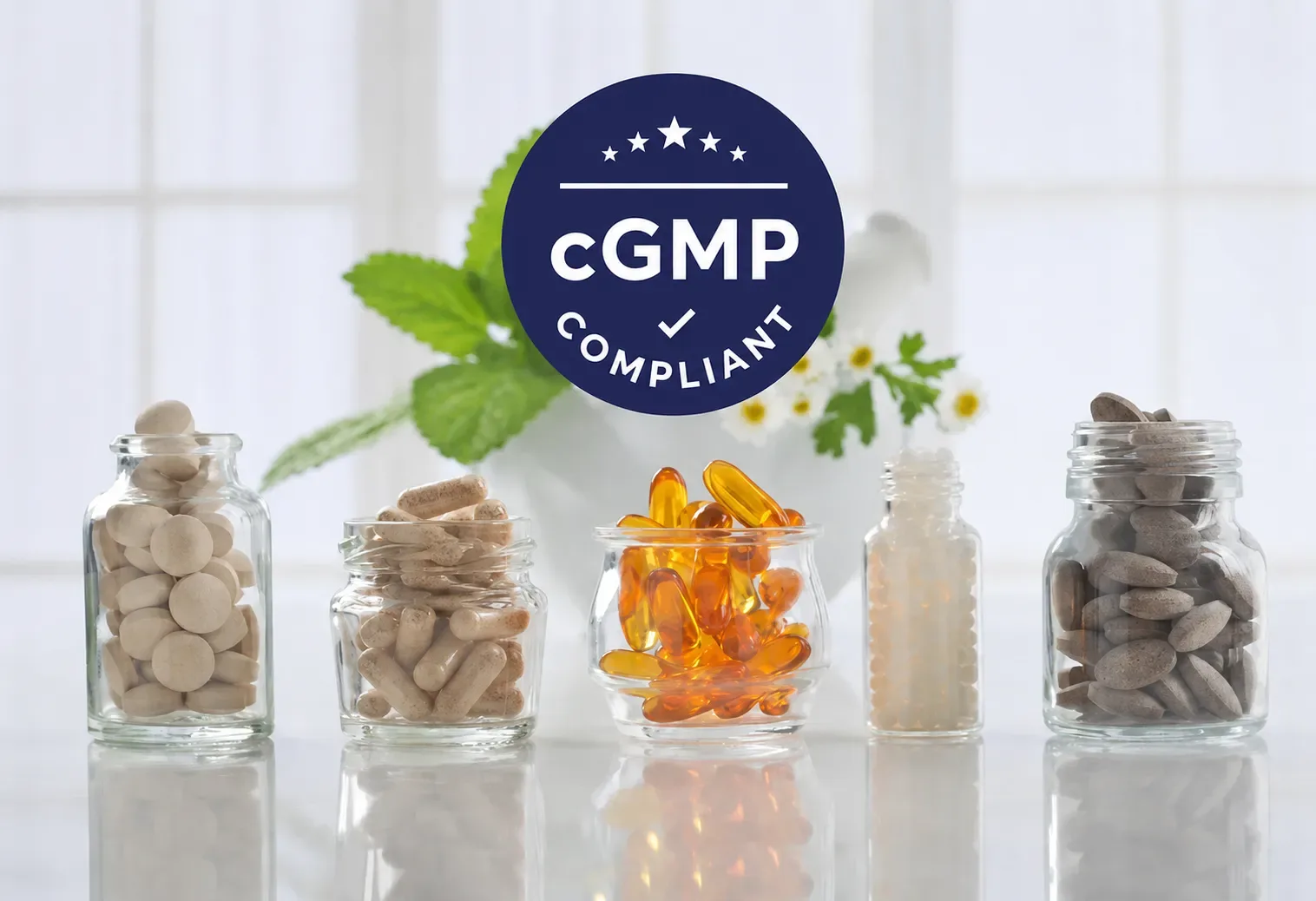
What goes into a supplement matters just as much as what is printed on the label. Most people see ingredients, serving size, and brand positioning. Inside a manufacturing facility, the quality story starts earlier: at receiving, during documentation review, and in the decisions made before any capsule is filled.
At Albert Max, an NSF certified and FDA-registered contract manufacturer in Chino, California, quality is built into that pre-production process instead of left for final inspection.
It Starts With the Ingredients
Every shipment of raw materials arrives with a paper trail: supplier records, Certificates of Analysis, and specification data that must be reviewed before anything moves toward production. Identity, purity, strength, and composition are evaluated against established standards rather than waved through on familiarity or supplier reputation.
The philosophy is simple. A supplement is only as reliable as what went into it. That makes sourcing a quality function, not just a purchasing function.
Verification at the Center
One of the most underappreciated risks in supplement manufacturing is a material that looks correct but does not match its documentation. Mislabeled botanicals, adulterated minerals, or amino acids that fail to match specifications are exactly why identity verification matters.
At Albert Max, vitamins, botanical extracts, specialty compounds, minerals, and other materials go through a verification process before they are cleared for use. Depending on the ingredient, that may include laboratory testing, supplier qualification review, documentation checks, or a combination of controls.
The Physical Inspection Step
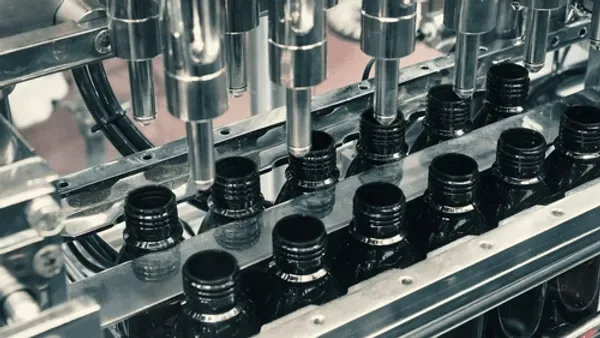
Quality personnel also evaluate the condition of incoming containers and packaging. Materials are inspected for damage, moisture exposure, contamination risk, or signs of tampering. Labels are cross-checked, lot numbers are verified, and traceability information is confirmed before materials enter inventory.
This step is easy to overlook from the outside, but difficult to skip in a serious quality system. A compromised container or documentation gap at receiving can create problems that are much harder to resolve later.
Review
Check supplier records, COAs, lot numbers, and specification data.
Inspect
Evaluate packaging condition, labels, tamper evidence, and moisture risk.
Verify
Confirm incoming materials match identity and quality expectations.
Trace
Carry material records through manufacturing and finished release.
Traceability as a Practice
Once materials are accepted, the documentation continues. Every approved ingredient is tracked throughout manufacturing, creating a clear record from receiving through finished product release. If a question arises from a brand partner, regulator, or internal reviewer, the answer should already live in the records.
That kind of traceability is not just a formality. It is how accountability becomes real.
What cGMP Means in Practice
Current Good Manufacturing Practice regulations under FDA 21 CFR Part 111 set the framework for dietary supplement manufacturing. They govern documentation, material controls, employee training, facility maintenance, equipment calibration, and production records.
Following cGMP principles means that manufacturing at Albert Max is repeatable and controlled, with the same standards applied to every batch and records to back up the work.
Inside Albert Max
Quality is built before the batch begins.
For brands partnering with Albert Max, disciplined material controls, documentation, verification, and traceability help support products they can stand behind.