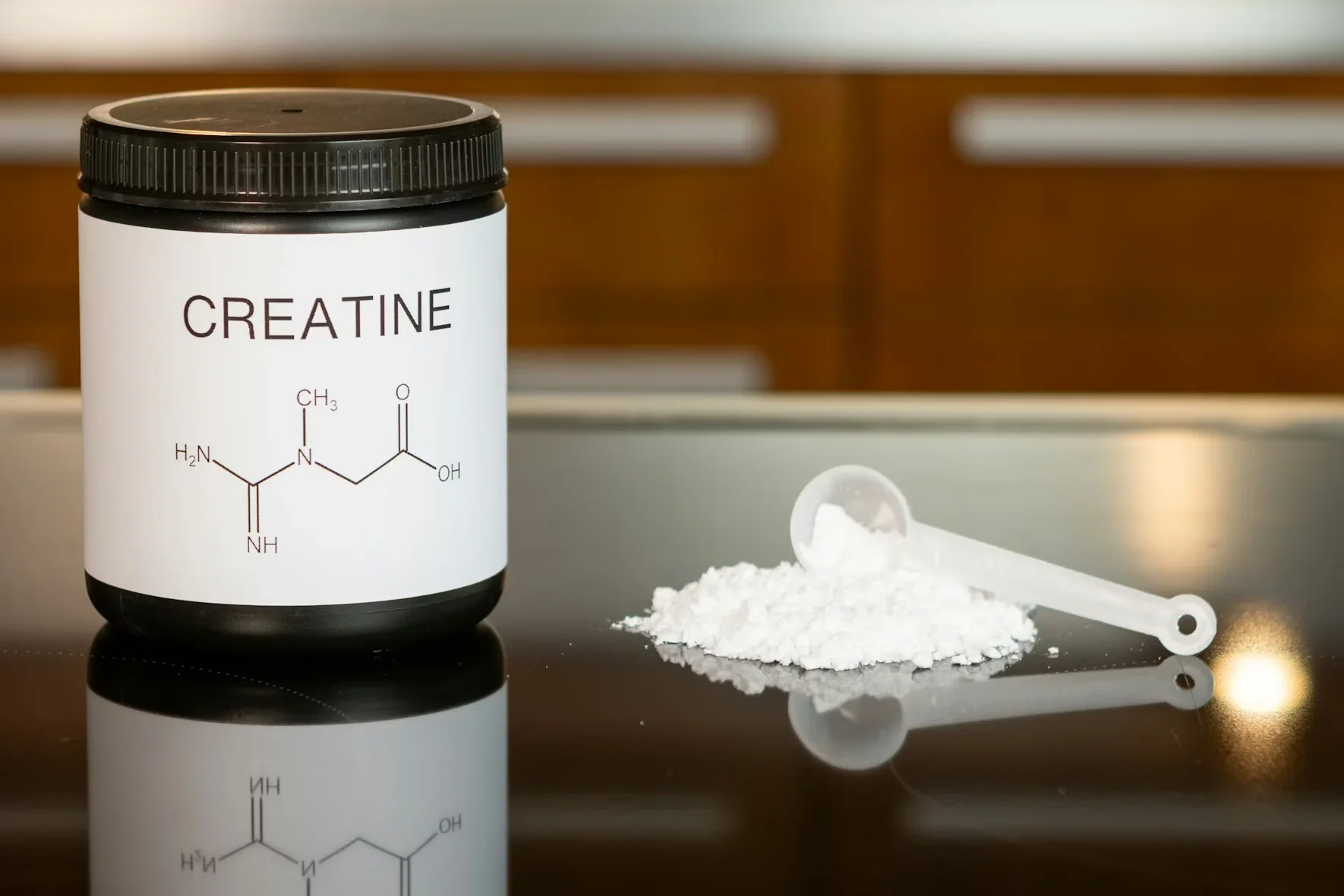
For years, creatine lived in a very specific mental box: gym tubs, muscle gain, and young men chasing heavier lifts. That box is now too small.
The ingredient itself has not changed. Creatine monohydrate is still creatine monohydrate. What has changed is the consumer use case. The same ATP-supporting mechanism that made creatine useful for repeated high-intensity exercise is now being discussed in the language of women's health, healthy aging, lean mass maintenance, cognitive energy, and daily resilience.
For supplement brands, that shift matters. It opens a category that is more nuanced than "sports performance" and more evidence-grounded than many longevity ingredients. But it also requires more discipline. A creatine formula for a 25-year-old lifter is not the same product story as a creatine formula for a 46-year-old woman navigating perimenopause, fatigue, and muscle loss.
The science is strongest where the marketing used to be narrow
Creatine's core role is energy buffering. It helps regenerate adenosine triphosphate, the body's immediate energy currency, especially in tissues with high and fluctuating energy demand such as skeletal muscle and the brain.
The International Society of Sports Nutrition's position stand describes creatine as one of the most researched and effective ergogenic aids available, with short- and long-term supplementation shown to be well tolerated in healthy individuals. That matters for brand owners because consumers are increasingly skeptical of vague "biohacking" claims. Creatine gives brands something rare: a familiar ingredient with a deep safety and performance literature.
But the newer women's health opportunity should be stated carefully. The evidence base is strong for strength, power, lean mass support, and exercise performance, especially when creatine is paired with resistance training. Evidence for cognition, mood, fatigue, and post-menopausal health is promising but more heterogeneous. A serious brand should not treat creatine as a cure-all. The better positioning is: an evidence-backed daily performance nutrient that may support muscle, training capacity, and brain-energy-related outcomes in specific contexts.
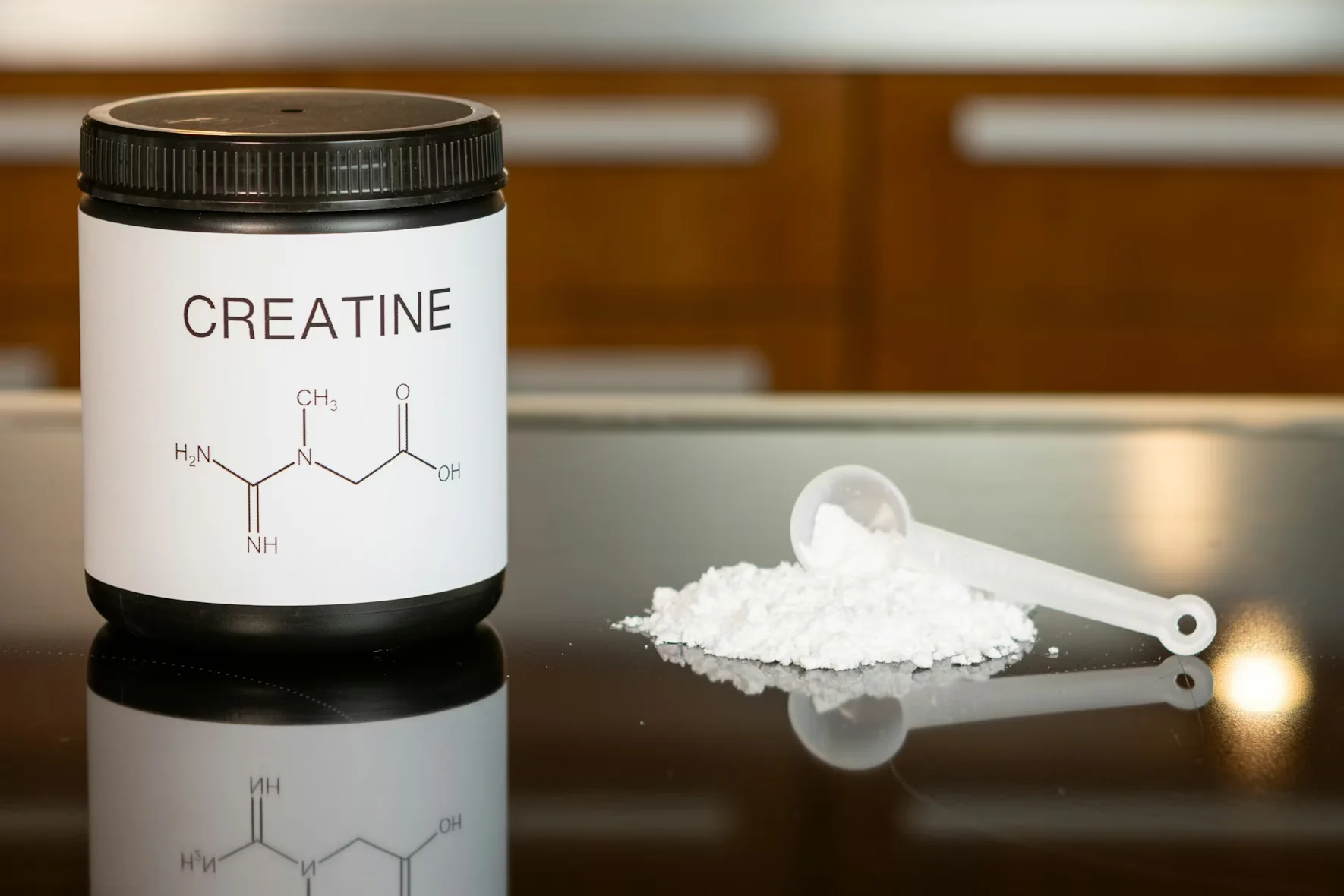
Why women's health changes the creatine conversation
A 2021 review in Nutrients framed creatine supplementation in women across the lifespan, highlighting performance, body composition, mood, dosing strategy, and the potential relevance of estrogen-linked changes in creatine homeostasis. A more recent PubMed-indexed review notes that women's physiology - including hormonal fluctuations across pre-menopause, pregnancy, and menopause - should be considered when studying and applying creatine.
That is the strategic opening. Women are not simply "smaller men" in a supplement funnel. The strongest product stories will connect creatine to the real language of the consumer:
- Strength maintenance: helping support training quality and lean mass goals as muscle becomes harder to maintain with age.
- Recovery and fatigue: helping consumers stay consistent with resistance training, Pilates, running, or hybrid fitness routines.
- Perimenopause and menopause: positioning around strength, body composition, and healthy aging rather than "bulking."
- Cognitive energy: cautious language around mental fatigue and cognitive performance under stress, sleep loss, or aging-related demand.
- Low-meat or plant-forward diets: creatine intake from food is lower when red meat and seafood intake is low, creating a practical supplementation rationale.
The smart move is not to overclaim. The smart move is to translate the science into a product architecture women can actually see themselves using every day.
The market signal: format is becoming part of the claim
Creatine used to be sold mostly as plain powder. Powder still makes sense: it is cost-efficient, easy to dose at 3-5 grams, and familiar to performance consumers. But mainstream adoption changes the format equation.
Search and launch activity around creatine gummies, chewables, capsules, and flavored daily drink formats suggests consumers are looking for lower-friction options. Market reports also point to growth beyond traditional bodybuilder users, with forecasts placing the global creatine supplement market above the billion-dollar mark in 2025 and projecting continued expansion through 2030.
For contract manufacturing, this is where the work gets real. Creatine is simple on paper and annoying in execution. It can be gritty in beverages, bulky in capsules, hard to fit into gummies at meaningful doses, and easy to ruin with bad flavor masking. A brand can have the right trend and still launch a product nobody wants to take.
Powder / stick pack
Best for evidence-aligned dosing
Most practical for 3-5g daily creatine monohydrate, especially when paired with electrolytes, magnesium, collagen, or flavor systems.
Capsules
Best for convenience
Cleaner label experience, but dose loading can require multiple capsules. Better for smaller-dose blends or consumers avoiding sweeteners.
Gummies / chewables
Best for mainstream trial
High consumer appeal, but meaningful creatine dosing, water activity, texture, and stability need careful development.
Formulation map: where creatine fits now
The strongest 2026 creatine concepts will not be random stacks. They will be goal-first formulas with a clear primary use case.
| Positioning | Core formula logic | Best-fit formats | Claim discipline |
|---|---|---|---|
| Women's strength & tone | Creatine monohydrate + protein support or amino-acid story | Powder, stick pack, capsule | Support strength, training performance, lean mass goals with exercise |
| Perimenopause / healthy aging | Creatine + magnesium + vitamin D/K2 or collagen support | Powder, capsules, sachets | Avoid hormone-treatment language; focus on muscle, recovery, and active aging |
| Hydration & recovery | Creatine + electrolytes + trace minerals | Stick pack, flavored powder | Daily performance, hydration support, post-workout recovery |
| Cognitive energy | Creatine + B vitamins or adaptogen-light positioning | Capsules, powder, drink mix | Use cautious language: mental energy, focus support, fatigue under stress |
| Beauty-from-within crossover | Creatine + collagen + vitamin C + hyaluronic acid | Powder, stick pack | Connect active aging and skin-support routines without implying cosmetic drug claims |
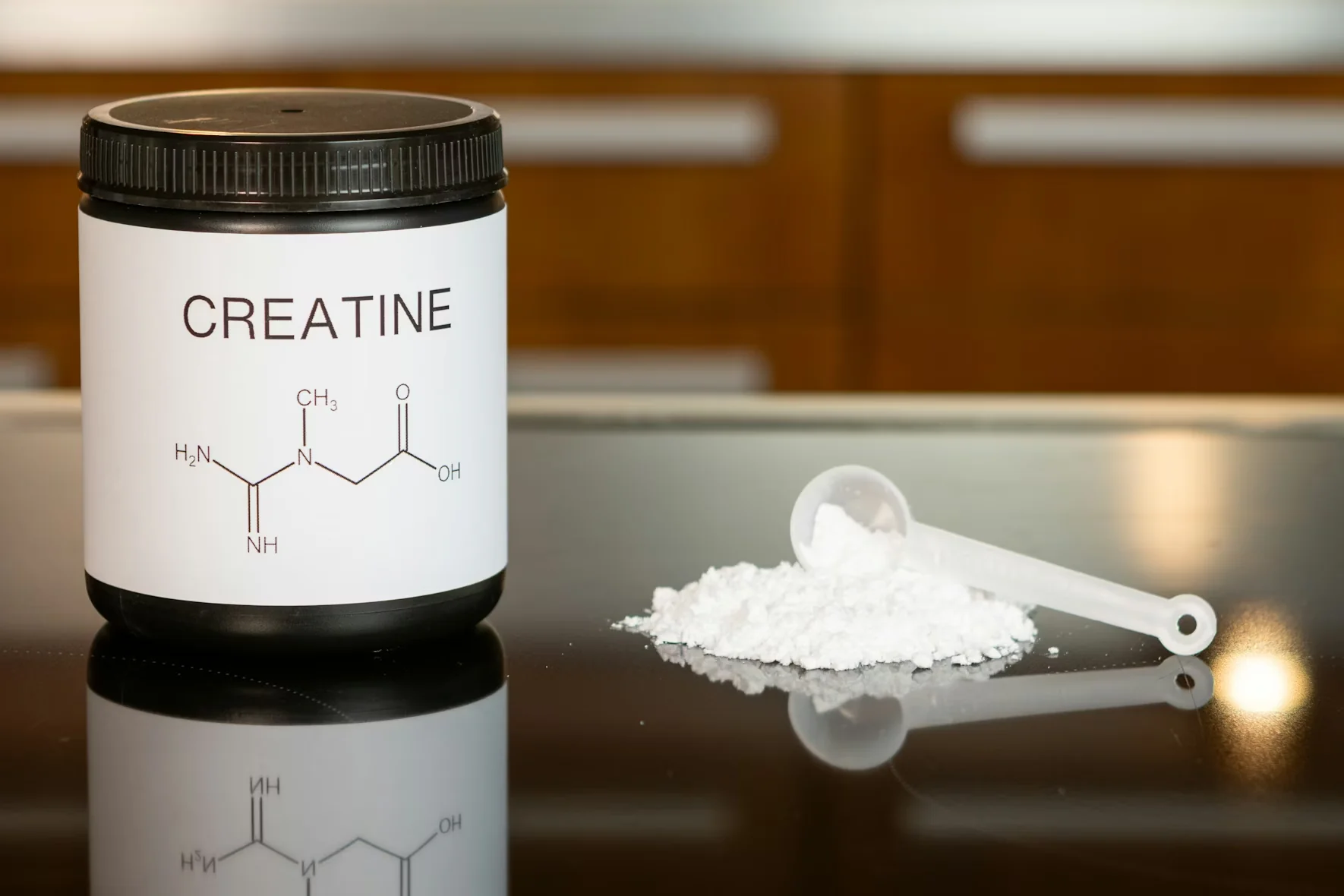
The risk: turning a credible ingredient into lazy marketing
Creatine is strong enough that brands do not need to inflate it. That is the point. The category will get messy if every product starts promising sharper cognition, better hormones, stronger bones, mood support, and body recomposition in one label panel.
Bone health is a useful example. Some research suggests creatine may support bone-related outcomes indirectly when paired with resistance training and improved muscle function, but creatine alone should not be positioned as a bone-building supplement. Similarly, cognition and mood are promising areas, but the responsible language is still "support," not treatment.
For U.S. dietary supplement brands, the winning approach is structure/function discipline: support muscle strength, training performance, recovery, mental energy, or active aging - and keep disease claims off the table.
What brand owners should ask before launching
- Is the dose meaningful for the format? If the formula only fits a sprinkle of creatine, do not build the whole brand story around creatine.
- Is creatine monohydrate enough? In most cases, yes. More exotic creatine forms are not automatically better and often complicate cost, sourcing, and education.
- Can the product be taken every day? Creatine works best as a routine. Taste, texture, serving size, and packaging matter as much as the ingredient deck.
- Does the positioning match the consumer? "Explosive power" may work for athletes. "Strength, recovery, and active aging" may work better for women's wellness.
- Can your manufacturer control solubility, flavor, and stability? This is where a trend becomes either a repeat-purchase product or a one-time trial.
Manufacturing takeaway
Creatine is not just a sports ingredient anymore.
For brands, the opportunity is to build creatine formulas around women's strength, recovery, hydration, and healthy aging - with dosing and formats that make daily use realistic. Albert Max can help evaluate powder, capsule, softgel, and stick-pack feasibility before you lock the formula.
References
- Smith-Ryan AE, Cabre HE, Eckerson JM, et al. Creatine Supplementation in Women's Health: A Lifespan Perspective. Nutrients. 2021.
- Recent PubMed-indexed review: Creatine in women's health: bridging the gap from menstruation through pregnancy to menopause.
- International Society of Sports Nutrition position stand: safety and efficacy of creatine supplementation in exercise, sport, and medicine.
- UCLA Health: discussion of creatine's expanding interest beyond athletic performance into cognitive health, women's wellness, and healthy aging.
- University of Colorado Anschutz Medical Campus: expert discussion on creatine, women, muscle preservation, aging, mood, and cognitive performance.
- The Business Research Company / Grand View Research market summaries on creatine supplement market growth and segmentation.