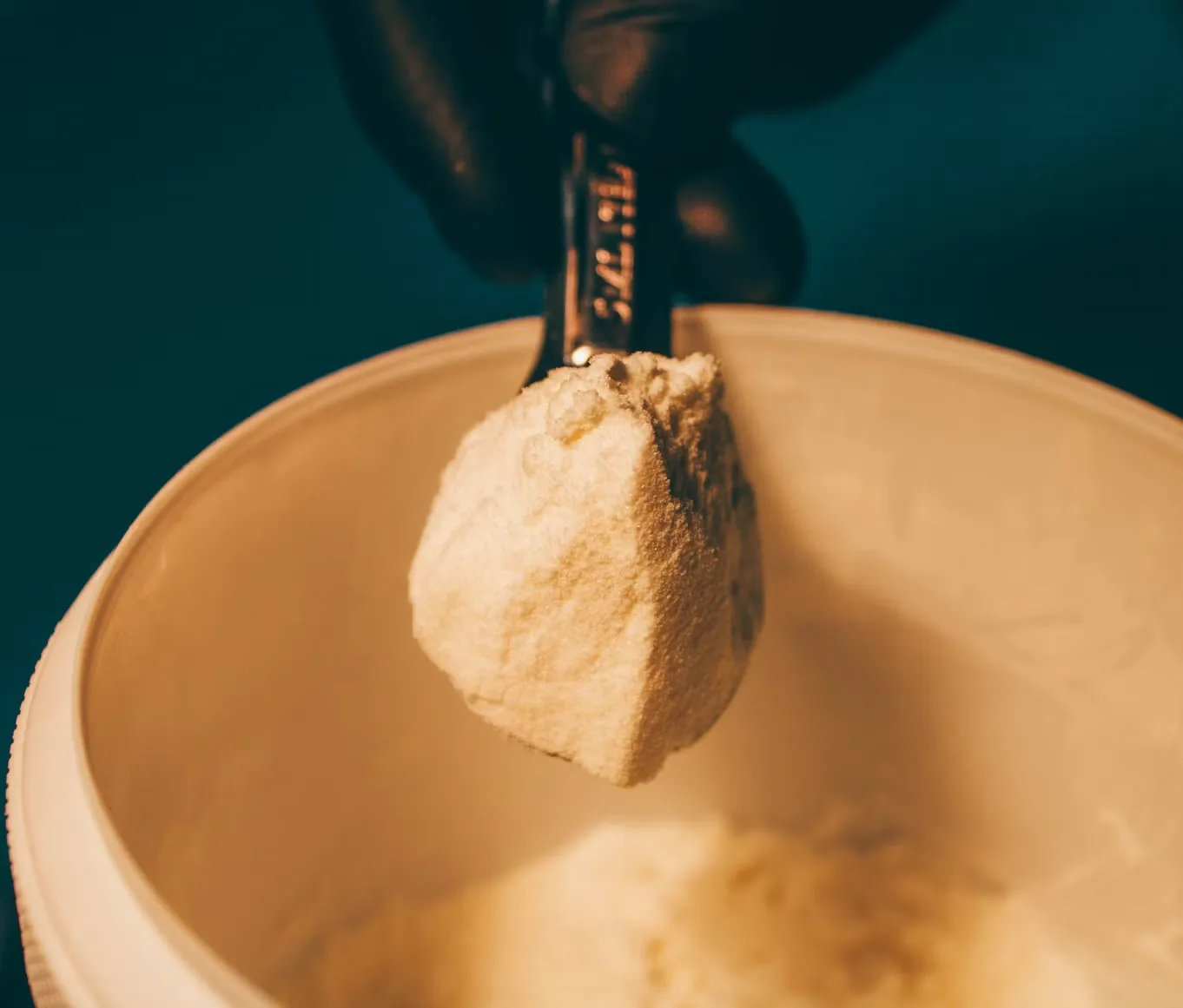
Clear protein powder looks simple only if you stop at the marketing image: a scoop or stick pack stirred into water, turning into a bright citrus drink instead of a thick shake. For consumers, that feels lighter and more refreshing. For formulators, it is a tightrope.
The product has to deliver meaningful protein, remain visually appealing in water, taste clean, avoid excessive foam, flow through manufacturing equipment, survive packaging, and stay inside dietary supplement claim boundaries. That is a lot of engineering for a product that is supposed to look effortless.
This guide explains what supplement brands should pressure-test before bringing a clear protein hydration concept to production.
Start with the protein system, not the flavor name
Clear protein products usually depend on specialized whey protein isolates, hydrolysates, or other protein systems designed for acidic, water-like beverage applications. The protein source influences clarity, taste, mouthfeel, foam, cost, allergen position, and supply reliability.
Brands should define the protein target early, then test it in the actual use condition: target water volume, target pH, target flavor system, target sweetener, and target package. A bench sample that looks clear in ideal water may not behave the same after minerals, acids, colors, flavors, or manufacturing excipients are added.
| Formulation pressure point | What can go wrong | What to validate early |
|---|---|---|
| Protein selection | Haze, sediment, bitterness, dryness, foam, or supply volatility | Clarity, taste, solubility, source availability, and cost at target dose |
| Acid system | Too sharp, unstable, flat, or incompatible with protein behavior | pH, citric/malic balance, flavor release, and clarity after mixing |
| Flavor masking | Protein off-notes or lingering sweetness become more visible in water | Real formula taste panels, sweetener timing, aroma, and aftertaste |
| Powder behavior | Clumping, dusting, bridging, variable fill weight, or slow dissolution | Bulk density, flow, particle size, humidity exposure, and filling trials |
Clarity is a system outcome
Consumers read clarity as freshness. If a clear protein drink mixes cloudy, foamy, gritty, or separated, the product instantly feels less premium. Clarity depends on the protein ingredient, but also on pH, minerals, flavor components, color, water quality, mixing instructions, and serving size.
A clear protein formula should be tested for immediate appearance and real-use behavior after standing. Does foam collapse quickly? Does sediment appear? Does the color drift? Does the drink remain acceptable when mixed by a normal consumer instead of a lab technician? These are not cosmetic questions. They affect repeat purchase.
Flavor masking is harder in water-like products
A creamy shake can hide some rough edges with fat, texture, cocoa, vanilla, or dairy cues. A clear protein drink has less cover. Citrus, berry, tea, tropical, and botanical flavors can work beautifully, but they expose protein bitterness, acidic bite, dryness, and sweetener aftertaste.
Albert Max approaches clear protein flavor work the same way we approach other difficult powders: build the functional base first, identify the off-note, then design the flavor masking system around the real active load. Choosing a pretty flavor name before the protein system is locked is how teams waste samples.
Protein target
Set protein grams, source, allergen position, supply, and cost guardrails.
Clarity screen
Test pH, solubility, haze, foam, sediment, and consumer mixing behavior.
Flavor build
Balance acid, sweetness, aroma, bitterness masking, and aftertaste control.
Scale-up check
Validate density, flow, stick-pack fit, fill weight, and cGMP documentation.
Stick packs change the formula math
Clear protein powders often pair well with single-serve stick packs because the product is meant for a water bottle, travel bag, gym routine, or trial kit. But a protein serving can be bulky. The packet has limited space, and the powder has to fill accurately without dusting, bridging, or contaminating the seal area.
That means protein dose, flavor load, flow aids, acids, sweeteners, and package size should be discussed together. If the packet is too large, it can feel awkward. If the serving is too small, the protein claim may be weak. If the formula is too sticky or dusty, production slows down. The right answer is usually found before a brand locks the front panel.
Claims need to stay useful and boring in the right places
Clear protein can support strong positioning without slipping into risky language. A brand can talk about protein content, active lifestyle routines, daily nutrition support, and convenient format when those claims are truthful and substantiated. It should not imply disease treatment, drug-like weight-loss outcomes, or medical effects.
For dietary supplements, FDA structure/function claim requirements and 21 CFR Part 111 cGMP rules are part of the product brief. They shape label review, specifications, batch records, in-process checks, and quality release. Albert Max's quality systems are built to keep that operational side connected to formulation work.
What to define before requesting a quote
- Protein target: grams per serving, source, allergen position, and desired sensory experience.
- Use occasion: hydration, post-workout refreshment, daily nutrition, travel, trial pack, or active aging routine.
- Flavor lane: citrus, berry, tea, tropical, botanical, sour candy, or lightly flavored water.
- Format: stick pack, pouch, jar, sample kit, or variety pack.
- Claims: protein content, active lifestyle, hydration-adjacent language, and required substantiation.
- Commercial guardrails: MOQ, protein supply, target COGS, packaging cost, and launch timeline.
For supplement brands
Building a clear protein powder that looks clean and runs clean?
Albert Max helps brands turn clear protein concepts into manufacturable products. Our team can support protein system review, acid and flavor masking work, powder behavior checks, stick-pack feasibility, packaging strategy, and cGMP production planning.
References
- Innova Market Insights. Protein Beverages Trends: Global Market Overview.
- Arla Foods Ingredients. Whey proteins for holistic hydration.
- Nutritional Outlook. Arla Foods releases new whey protein hydrolysate for functional sparkling water.
- U.S. Food & Drug Administration. Structure/function claims.
- eCFR. 21 CFR Part 111 - Dietary Supplement cGMP.