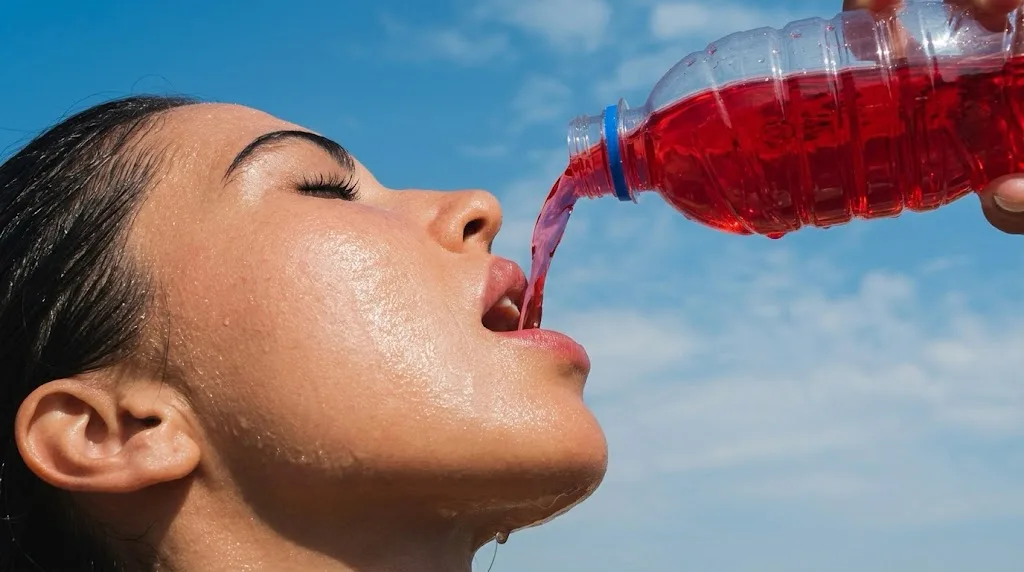
Functional hydration is having a useful moment because the consumer logic is easy to understand. People already know they should drink water. They also understand electrolytes from sports drinks, travel packs, wellness routines, and hot-weather use. What is changing in 2026 is the category frame.
Hydration is no longer only about athletes sweating through a workout. It is moving into everyday wellness, functional beverage powders, office routines, travel kits, GLP-1-influenced nutrition routines, and flavor-forward stick packs that compete with both supplement powders and drink enhancers.
For supplement brands, this is the opportunity and the trap. A hydration SKU can be simple to explain, but hard to differentiate. The next wave will reward brands that think beyond "electrolytes plus flavor" and build products around specific consumer moments, believable claims, and manufacturable formats.
The 2026 signal: hydration is becoming an everyday function
NielsenIQ's Expo West 2026 trend coverage points to a wider consumer expectation: familiar products now need added function, cleaner positioning, and practical daily use. Food Business News has also described hydration as a key functional beverage trend, with consumers looking beyond conventional sports drinks toward more targeted, benefit-oriented formats.
That matters because powders and stick packs let supplement brands participate without becoming beverage companies. They avoid the freight, shelf-life, and minimum-run complexity of ready-to-drink beverages while still giving consumers a beverage-like use occasion.
The category is not just about thirst. It is about routine design. A good hydration stick pack can live in a gym bag, desk drawer, car, travel kit, subscription box, or wellness bundle. That portability is commercially useful.

Where the brand opportunity lives
The strongest hydration products are not generic electrolyte mixes. They are built around specific consumer moments and clear product architecture. A sports hydration product, a travel hydration product, a beauty-wellness hydration product, and an everyday low-sugar drink mix should not all look like the same formula wearing different colors.
| Consumer moment | Positioning angle | Format fit |
|---|---|---|
| Daily water upgrade | Light electrolyte support, low sugar, easy flavor rotation | Stick pack, pouch, jar |
| Fitness and sweat | Electrolyte replenishment, active lifestyle support, stronger flavor | Stick pack, jar, bundle |
| Travel and busy workdays | Portable hydration routine, convenience, clean pack-out | Stick pack, multipack carton |
| Wellness stack | Hydration plus vitamins, minerals, or light functional add-ons | Stick pack, powder pouch, companion capsule system |
Stick packs are the commercial unlock
Stick packs work because they solve three problems at once: convenience, portion control, and trialability. They are easy to sample, easy to bundle, and easy to explain. They also let brands create flavor variety without asking the consumer to commit to a large tub.
But stick packs are not just a marketing format. They are a manufacturing decision. Powder density, serving weight, flow, moisture sensitivity, and pack size all affect whether the product can run cleanly and feel premium. A formula that looks attractive in a mockup can become a headache if it clumps, bridges, or needs a pack size that feels awkward.
This is why brand teams should connect trend strategy to manufacturing reality early. A hydration concept should be evaluated by consumer moment, flavor system, mineral profile, packaging format, and production behavior together.
The crowding problem: hydration is easy to copy
The barrier to a basic electrolyte powder is not high. That means differentiation has to come from better choices. Brands can compete through flavor architecture, claim discipline, target use case, ingredient quality, packaging experience, and operational reliability.
Overloading the formula is not always the answer. Adding caffeine, adaptogens, vitamins, minerals, greens, amino acids, and probiotics can make a concept deck look impressive and make the finished product taste confused. In a crowded category, clarity is not boring. It is a competitive advantage.
Best fit
Focused hydration
A clean electrolyte base, strong flavor system, and clear use case can outperform an overloaded all-in-one.
Smart extension
Function-stacked hydration
Vitamins, minerals, amino acids, or light botanicals can work when they support the core promise and do not wreck taste.
Higher risk
Claim-heavy formulas
Hydration language gets messy when brands imply medical outcomes or try to solve too many problems at once.
Claims need to stay sharp, not dramatic
Hydration products sit close to language that can become risky. A dietary supplement should not imply that it treats dehydration, heat illness, disease, medication effects, or medical conditions. Safer territory usually focuses on supporting hydration, helping replenish electrolytes lost through sweat, supporting active lifestyles, and helping maintain fluid balance, depending on the formula and substantiation.
FDA structure/function claim rules and dietary supplement notification requirements matter here. Claim review should happen before packaging copy is locked, not after a production-ready formula is waiting for labels.
What brands should decide before developing a hydration SKU
- Who is the product for? Athlete, traveler, office worker, wellness consumer, active aging customer, or flavor-seeking daily user?
- What job does the product do? Everyday water upgrade, sweat support, portability, routine building, or functional beverage alternative?
- What format supports the business model? Stick packs, jar, pouch, multipack, sample program, subscription refill, or bundle?
- What is the flavor strategy? Mainstream fruit, premium citrus, spa-water lightness, salty-sour performance, or seasonal variety?
- What claims can the formula support? Keep claims useful and substantiated before marketing writes checks the product cannot cash.
Manufacturing takeaway
Functional hydration is a trend, but execution decides the reorder.
Albert Max can help supplement brands evaluate hydration powder and electrolyte stick-pack concepts from both sides: market positioning and manufacturing readiness. Our team supports custom formulation, Flavor Masking Tech, powder behavior checks, packaging strategy, and cGMP production planning.
References
- NielsenIQ. Expo West 2026 trends.
- Food Business News. Hydration becoming key functional beverage trend.
- U.S. Food & Drug Administration. Structure/function claims.
- U.S. Food & Drug Administration. Notifications for structure/function and related claims in dietary supplement labeling.