
For the last few years, supplement trend conversations have been crowded with louder themes: GLP-1 medications, creatine's move into women's health, personalized nutrition, and the return of high-protein everything. But underneath those headlines, a quieter stack is becoming more commercially useful: protein + fiber.
That combination is not flashy. That is exactly why it is interesting. Protein and fiber are familiar, explainable, label-friendly, and easy for consumers to connect to daily routines. They also sit at the center of several 2026 demand signals: nutrient density, gut health, appetite-conscious eating, metabolic wellness, and product formats built for consistency instead of novelty.
For supplement brands, the opportunity is not to slap fiber into a protein powder and call it innovation. The opportunity is to design formulas that answer a very specific question: how do consumers get more functional nutrition into smaller, more intentional servings?
The 2026 signal: protein and fiber are no longer separate conversations
Natural products trend coverage in 2026 has repeatedly pointed to protein, fiber, gut health, functional hydration, and GLP-1-adjacent nutrition as overlapping areas of innovation. NielsenIQ's Expo West 2026 trend analysis highlighted the continued rise of functional benefits and the way consumers are looking for everyday products that do more than fill a category slot. New Hope Network and FoodNavigator-USA also pointed to protein, fiber, gut health, and metabolic wellness as meaningful innovation themes across natural products and functional foods.
The supplement angle is straightforward: consumers are not only asking for more protein or more fiber. They are asking for better routines. A high-protein product that feels heavy, gritty, or bodybuilding-coded will miss one audience. A fiber product that feels medicinal or uncomfortable will miss another. A well-positioned protein + fiber formula can sit between those worlds.
That is especially relevant for brands thinking about consumers influenced by GLP-1 medications or GLP-1-style eating behavior. Smaller appetites create more pressure on nutrient density. Consumers may look for products that help them maintain protein intake, support digestive comfort, and build more intentional daily nutrition routines. Supplement brands need to handle that language carefully, but the product development logic is real.
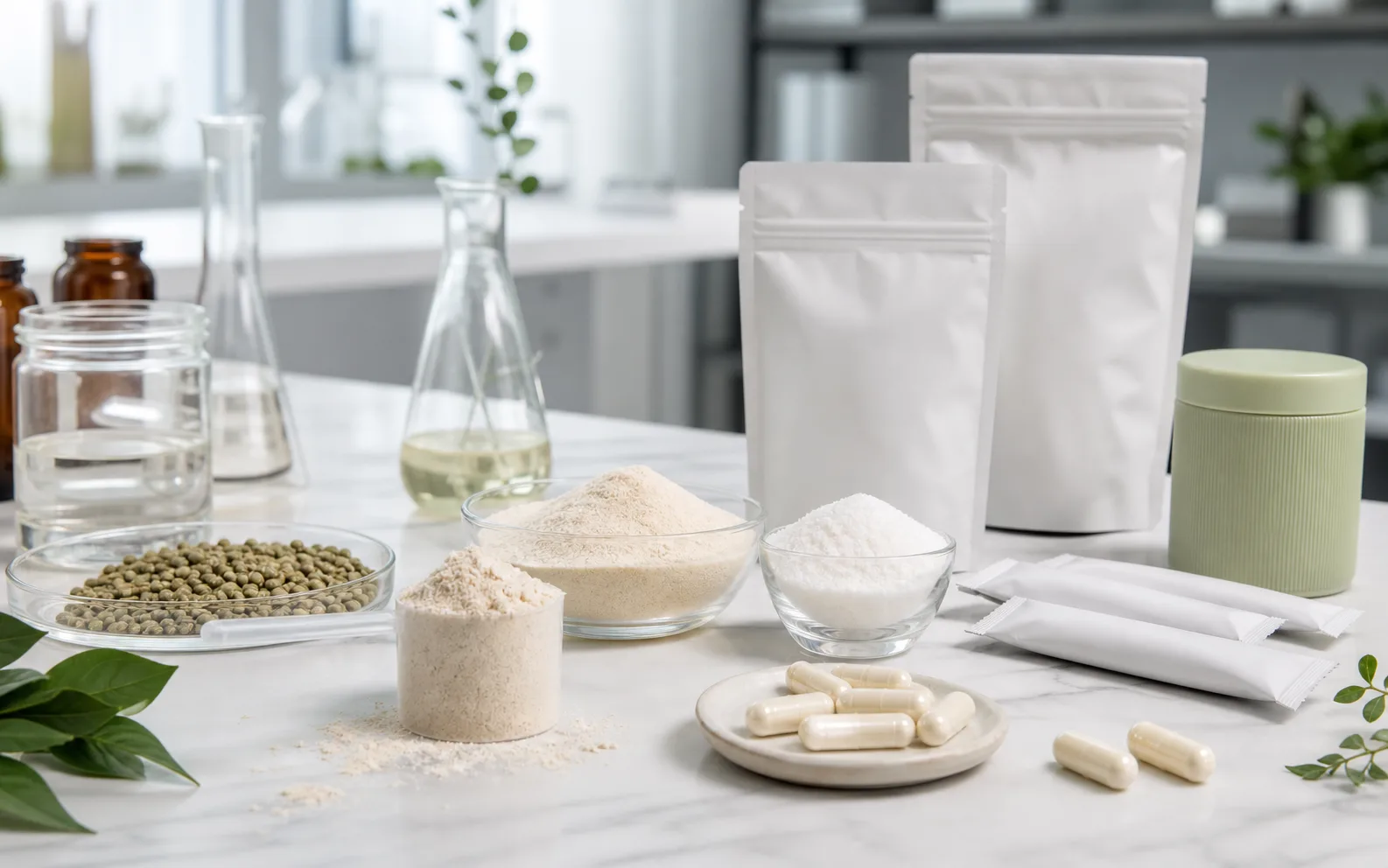
Where the brand opportunity lives
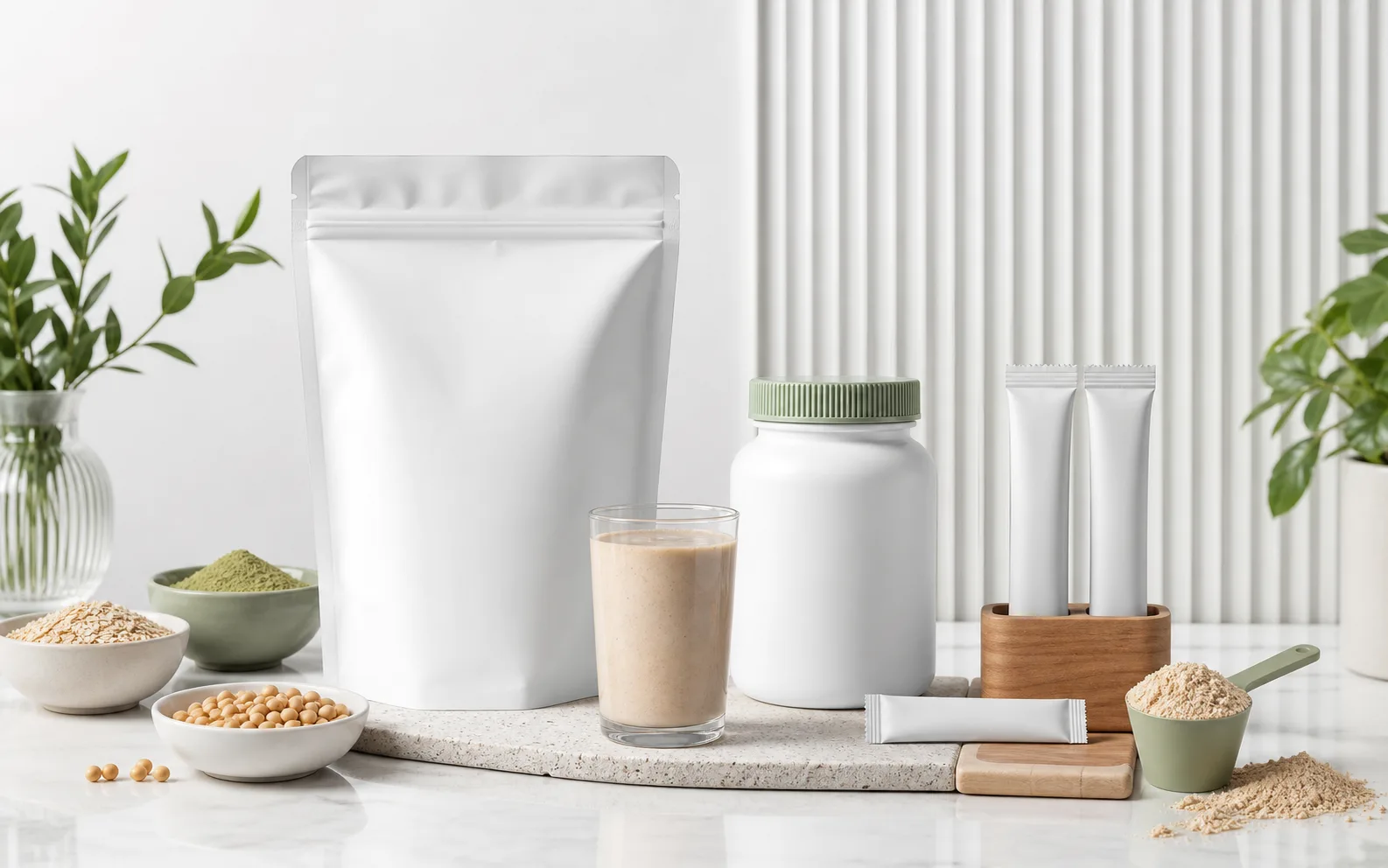
The strongest protein + fiber concepts will not look like one generic powder tub. They will be mapped to consumer moments.
| Consumer moment | Formula logic | Likely format |
|---|---|---|
| Morning nutrition | Protein + soluble fiber + light flavor system | Powder, stick pack |
| GLP-1-influenced routines | Protein support + digestive support + micronutrient story | Powder, capsule companion |
| Gut health without probiotic complexity | Prebiotic fiber + gentle protein base | Drink mix, sachet |
| Active aging | Protein + fiber + minerals or collagen-adjacent support | Powder, capsule + powder system |
Why fiber is getting more strategic
Fiber has always had a strong public-health story, but the product experience has often been ugly: thick drinks, unpleasant texture, bloating concerns, and medicinal branding. The newer opportunity is more sophisticated. Brands are looking at soluble fibers, prebiotic fibers, resistant starches, and blended systems that can support digestive health positioning while fitting into cleaner, more enjoyable formats.
FoodNavigator's recent coverage of fiber reformulation challenges made the point clearly: functional fiber selection matters. Different fibers behave differently in water, flavor systems, processing, and finished product texture. That matters even more when the formula also includes protein, sweeteners, minerals, flavors, or botanical actives.
For supplement companies, the winning question is not "how much fiber can we add?" It is "which fiber system fits the consumer promise, serving size, taste, mouthfeel, and manufacturing process?" That is a harder question, and a better one.
The GLP-1 effect should be handled carefully
GLP-1 language can drive attention, but it can also make a product feel opportunistic or legally sloppy. A dietary supplement should not imply that it treats obesity, diabetes, or medication side effects. The safer and stronger angle is nutrition support: consumers using appetite-conscious routines may need convenient ways to support protein intake, fiber intake, and overall nutrient density.
This gives brands room to build products around everyday benefits without drifting into disease claims. Examples include:
- supporting daily protein intake
- helping consumers add fiber to modern diets
- supporting digestive wellness and regularity with compliant language
- offering convenient formats for smaller, more intentional meals
- creating a better-tasting bridge between wellness powder and functional food
The next wave: function-stacked but claim-disciplined
The temptation in 2026 will be to stack everything: protein, fiber, probiotics, greens, creatine, collagen, electrolytes, adaptogens, and vitamins. Some concepts can support multi-function architecture. Many will collapse under serving size, taste, cost, and claim complexity.
A better strategy is to choose a primary job. If the primary job is nutrient density, protein and fiber should lead. If the primary job is digestive wellness, fiber type and tolerance should lead. If the primary job is active aging, protein quality and format should lead. The formula can have supporting ingredients, but the positioning should not sound like a supplement aisle exploded into one tub.
Best fit
Powder + stick pack
Most practical for meaningful protein and fiber levels, especially when taste and mouthfeel are handled early.
Companion format
Capsule support
Useful for lower-dose fiber, enzymes, minerals, or companion digestive support when the powder carries the main nutrition story.
Higher risk
Overloaded all-in-one
Can look good on a concept deck and fail in texture, flavor, cost, serving size, or regulatory language.
What brands should do before developing a protein + fiber formula
- Define the consumer use case first. Morning nutrition, GLP-1-adjacent support, active aging, and gut health all lead to different formula decisions.
- Choose fiber by behavior, not buzzword. Solubility, viscosity, taste, digestive tolerance, and processing behavior matter as much as the marketing name.
- Pressure-test serving size early. Protein and fiber both take space. The formula has to be realistic in scoop size, sachet size, or capsule count.
- Keep claims clean. Support daily nutrition, digestive wellness, regularity, and active lifestyles. Avoid treatment language.
- Design for repeat use. A protein + fiber product only works commercially if consumers can tolerate the taste, texture, and routine every day.
Manufacturing takeaway
Protein + fiber is a formulation opportunity, not a label shortcut.
Albert Max can help brand owners evaluate powder, stick-pack, capsule, and functional mix concepts that connect protein, fiber, gut health, and nutrient-density positioning without drifting into unsupported claims.
References
- NielsenIQ. Expo West 2026 trends.
- New Hope Network. The 7 trends dominating Natural Products Expo West 2026.
- FoodNavigator-USA. Expo West 2026 food trends.
- FoodNavigator-USA. Fiber reformulation challenges and functional fiber selection.
- U.S. Food & Drug Administration. Label claims for conventional foods and dietary supplements.
- U.S. Food & Drug Administration. Questions and answers on dietary fiber.